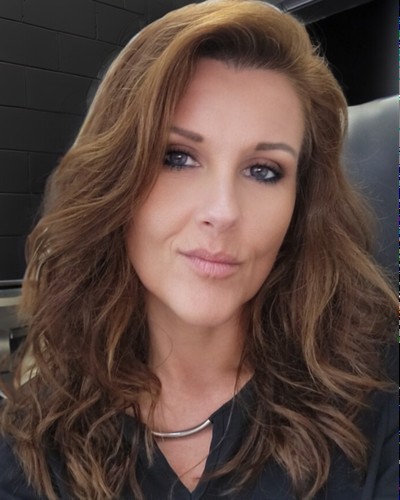
While many college students seek summer employment at the coast or in the mountains, NC State University student Julie Simons is working with NC State Extension agents in Washington County in the northeastern part of North Carolina. Known for having the largest population of American Black Bears in the world, the county is also one of four in an agricultural region called the “Blacklands.”
As the Extension summer intern in Washington County, Simons hasn’t encountered any black bears, but she is learning about dark, nutrient-dense soil from drained Cypress swamps that produce massive amounts of corn, soybeans, wheat and chipping potatoes.
Simons grew up in Chowan County near the Albemarle Sound, which separates the highly fertile and rich soil in the Blacklands from the sandy side of the sound, where soil is mostly dry, pale clay. Having finished her first year as an agricultural science major, she’s intrigued by the difference in soils as well as the types of crops grown on each side of the river. A self-proclaimed advocate for agriculture, we caught up with Simons, who is eager to help people understand its importance.
What made you want to study agriculture at NC State?
I grew up in Edenton, North Carolina. As an outdoor kid, I was climbing trees, running around outside, hiking, kayaking and doing anything that let me be outdoors. Even though I grew up in rural North Carolina, I don’t have an agricultural background. Yet, I still got to see agriculture every day through the fields around my house and going to the farmers market.
I realized there are a lot of people who don’t know where their food comes from or why agriculture matters … I want to be part of helping people understand why agriculture is so important. It’s a major industry in our state, it’s part of why NC State exists, and it affects everything we do.
I realized there are a lot of people who don’t know where their food comes from or why agriculture matters. Once I got involved in horticulture class and FFA (formerly Future Farmers of America) events in high school, my interest in agriculture really took off. I also grew up cheering for the Wolkpack because my dad is an NC State alum.
Mostly, I want to be part of helping people understand why agriculture is so important. It’s a major industry in our state, it’s part of why NC State exists, and it affects everything we do.
How did FFA shape your path and interest in horticulture and crop science?
I took a horticulture class so I could take better care of my houseplants, and then my teacher started putting me in competitions and taking me to regional and state events. I was hooked. That was the moment that really showed me my love for agriculture. I also attended several summer camps at NC State focused on horticulture and natural resources, which helped me see the different fields within agriculture and realize I could make a career out of it.
Tell us about your internship this summer with NC State Extension.
It’s been surprising and interesting to see how integral Extension is to the community and the state. I get to do a little bit of everything and explore all the different aspects of Extension, including Agriculture and Natural Resources, 4-H Youth Development, and Family and Consumer Sciences. I work with different agents and see what their programs look like and how they impact the community.
One of the most unexpected experiences was applying shredded crab scraps to a soybean field as part of a research project to combat nematodes. It’s a really unique idea, trying to use local resources to solve larger challenges.
Every day is different, and I really like the variety. We’re doing a partnership with a school summer camp, quilting and line dancing with 4-H, reviewing projects for 4-H District Activity Day, a chef showdown with international cuisine, hatching chicks for embryology, library programs, soil science activities, and agricultural work like soil samples and field measurements for the wheat yield contest.
Share an example of one of the 4-H programs you were involved in.
One of the programs is Stars for Our Troops, where old flags are respectfully retired. We cut out the stars, place a note inside, and give them to veterans or first responders to honor their service. It was a very special experience.
One of my favorite experiences was our 4-H Chef Showdown, because I love making and sharing food, and getting to share that joy with these students was so special. I got to teach them all how to make focaccia, one of my favorites, and everyone was excited when we made boba tea.
Tell us more about your work in the Blacklands?
The Washington County Extension Center works with the Blackland Farm Managers Association to organize tours of several counties. Growers from the region come together to see how different fertilizer treatments or seed coatings perform. The tours are sponsored by North Carolina agribusinesses and commodity groups.
How did you learn about the Extension Summer Internship Program?
I learned about it through my Intro to Cooperative Extension class with Dr. Joseph Donaldson. That class gave me the history of Extension, helped me understand the different program areas, and introduced me to the internship opportunity. Dr. Donaldson also leads the internship program, so he strongly encouraged us to apply.
Which course in CALS has been most important for this internship?
Introduction to Cooperative Extension (AEE 230) has been foundational. It gave me the organizational knowledge I use day-to-day and showed me the broader importance of Extension. It also introduced me to the internship and helped me make connections in Extension. I also use things I learned in World of Horticulture and Land and Life, and I’ll be taking a crop science in the fall.
How has your interest in Extension education influenced your career goals?
Learning about Cooperative Extension and being an NC State Extension summer intern gave me the organizational knowledge I use day-to-day. It’s helping me figure out the best way to help people understand why agriculture is important.
What advice do you have for other students interested in internships?
It is never too early or too late to explore opportunities. Take the chance and seize a new opportunity, even if it’s not what you expected. Opportunities come in unlikely places, and a chance conversation or a random class can put your life on a new trajectory.
— NC State, CALS News